Go To Puma Global
The Natural Carbon Lifecycle of CarbonBind
How nature and engineering come together to lock away carbon.
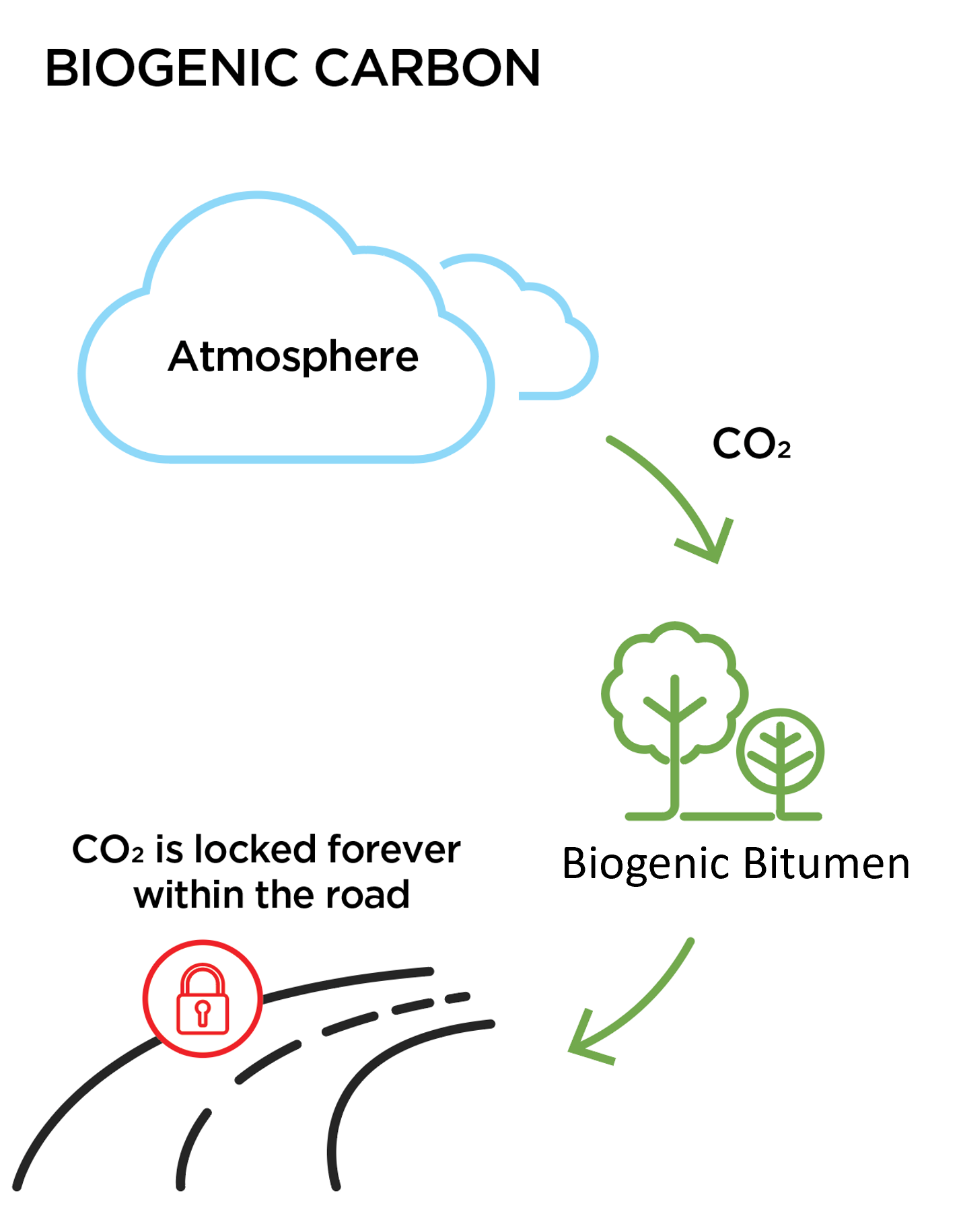
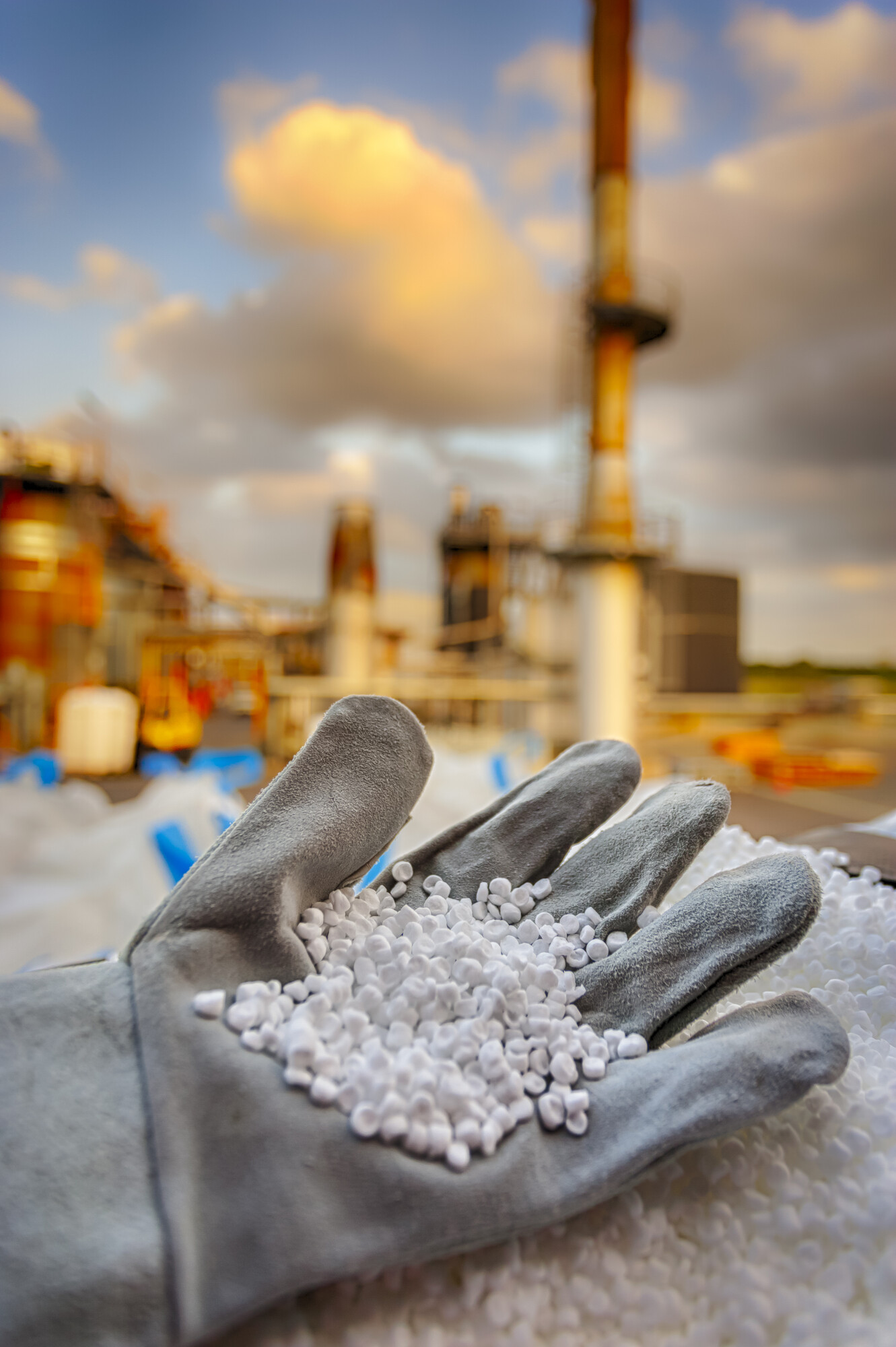
CarbonBind®’s natural lifecycle begins with photosynthesis. Plants absorb atmospheric CO₂ and store it in their biomass. Instead of allowing this carbon to be released, we capture and process the plant-derived material into a high-quality input for bitumen production. This material is chemically compatible with bitumen, allowing it to be integrated into our binder systems without affecting performance.
This creates a closed-loop, climate-positive material cycle. Once blended into CarbonBind® and used in asphalt or spray sealing. Carbon is permanently locked into the road surface for the life of the pavement.
This process is independently verified through Life Cycle Assessments (LCA) and Environmental Product Declarations (EPDs).
- 🌱 Plants absorb CO₂ from the atmosphere
- 🌬️ Release O₂ during photosynthesis
- ♻️ Biogenic material is harvested and processed
- 🛢️ Blended into bitumen as CarbonBind®
- 🛣️ Permanently locked into the road during paving or sealing
- 📉 Embodied emissions are reduced across the product lifecycle
Saved since its introduction
Available
CarbonBind Product Range
Paving Grade Binder
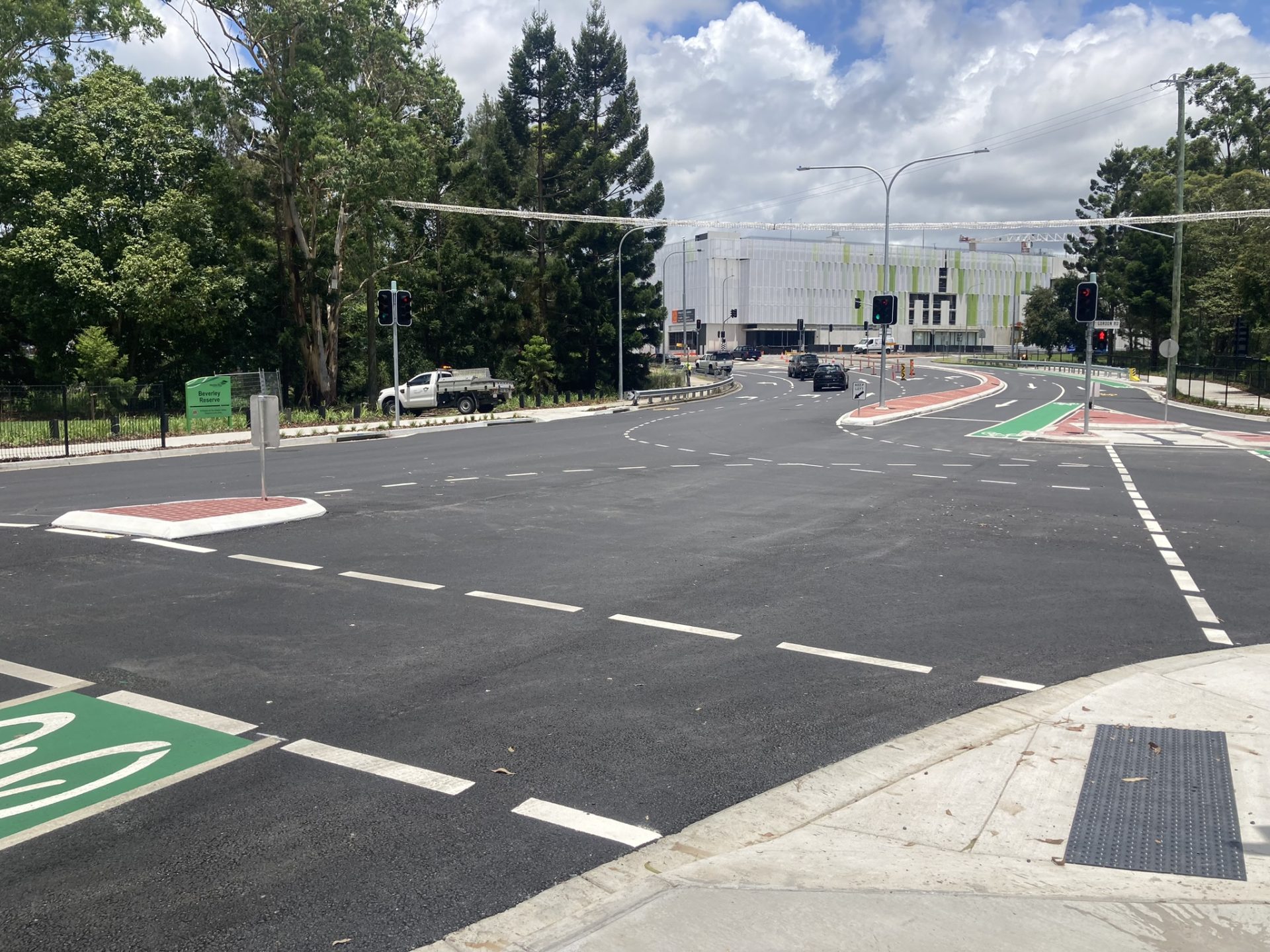
CarbonBind® can be incorporated into standard paving grade bitumen (e.g., C170, C320, 50/70) for up to 100% carbon savings on large projects.
- Suitable for all asphalt and spray sealing mixes
- Compatible with all standard paving equipment
- Delivers carbon savings at scale across core infrastructure

Performance Without Compromise
-
🌱 Incorporates renewable biogenic materials
-
📉 Reduces CO₂ emissions from binder lifecycle
-
🛣️ Compatible with asphalt and spray sealing
-
⚙️ Applied using standard binder handling and spray equipment
-
🧪 Backed by LCA and EPD documentation
-
🌍 Available Globally